



قطع غيار حزمة الطاقة الهيدروليكية
/The emergence of sustainable energy solutions has shifted global perspectives towards eco-friendly alternatives capable of transforming industries. One such innovation is the watermill, a cornerstone in the realm of renewable energy and mechanical efficiency. However, watermills are not new inventions; they boast a rich history stretching back centuries . The phrase آسیاب می ایستد, when translated, signifies the mill stands still, a scenario that highlights both the reliance on watermills and their adaptability challenges over time. Embracing a practical approach to watermills' application unveils their potential beyond traditional grain grinding. Watermills serve as educational tools, demonstrating historical engineering knowledge and sustainability principles. In regions abundant with flowing water, watermills exemplify green energy solutions, capable of reducing dependency on fossil fuels. Establishing small-scale community watermills can greatly benefit local economies by fostering job creation and providing sustainable energy, potentially offsetting grid reliance. Watermills are ecological marvels in their own right, operating with minimal environmental disruption. Unlike other forms of energy production, their mechanics harness natural water flow without generating pollution. By situating watermills within existing streams or rivers, developers can leverage natural landscapes without necessitating drastic ecosystem alterations. This eco-friendly quality underscores the importance of restoring and adapting watermills to present-day renewable energy challenges, rather than allowing them to remain stagnant—a proverbial mill stands still. The process of refurbishing watermills demands expertise and a nuanced understanding of both ancient mechanisms and modern engineering. Restorers must possess not only historical architectural proficiency but also contemporary technical know-how in mechanical dynamics. Fabricators and engineers must collaborate to preserve the structural integrity while enhancing operational efficiency, making the watermill a viable energy source. This meticulous restoration ensures that watermills continue to contribute to sustainable development, transforming them from historical artifacts to active participants in modern ecology. The mill stands Community involvement and education are pivotal for the ongoing relevance of watermills. Initiatives aimed at both locals and tourists can transform these historical sites into interactive learning centers. Workshops and educational tours provide insights into the history and mechanics of watermills, encouraging a collective effort in their preservation and operation. Educating the next generation about the importance of maintaining such structures fosters a sustainable mindset, integral for ongoing environmental stewardship. Securing financial backing for watermill projects can be challenging yet attainable through strategic partnerships and government initiatives. Incentive programs targeting renewable energy projects can supply necessary funding, while collaborations with local businesses can enhance community support. Utilizing public awareness campaigns can also attract private investors interested in innovative energy solutions, thereby ensuring the financial feasibility of watermill maintenance and revival projects. Transparency in operations and clear demonstration of community benefits further bolster trust among stakeholders, facilitating ongoing financial support. Trustworthiness is also enhanced through compliance with current environmental standards and safety regulations. Modernized watermills must adhere to eco-friendly practices and safety protocols, ensuring their operation does not compromise local ecosystems or community wellbeing. Engaging with environmental agencies to conduct regular assessments and implementing any recommendations is crucial. Adopting technology solutions to monitor watermill operations can ensure continued adherence to environmental and safety standards. To conclude, the phrase آسیاب می ایستد symbolically reminds us of the dormant potential of watermills. By revitalizing these remarkable structures, not only can they stand once more, but they can do so as vibrant contributors to modern sustainable practices. The interplay between historical reverence and contemporary application positions watermills as vital components of an eco-conscious future. Embracing this blend of past ingenuity with present needs can establish watermills as beacons of sustainable energy, benefiting communities environmentally, educationally, and economically.

We have successfully executed over 500
projects around the world,
many first-of-their-kind
research projects and products in China, including
We have successfully executed over 500
projects around the world,
many first-of-their-kind
research projects and products in China, including
-
2004
The 1st hydraulic AGC system for hot rolling of ribbon steel
-
2006
The 1st AFC system used for 1450mm skin pass mill
-
2009
The 1st 5-stand tandem line with 2-stand POR & Uncoiler for 650mm ribbon steel
-
2012
The 1st reversing mill for 1380mm strip
-
2016
The 1st soft-rolling system used in skin pass mill
-
2019
The 1st fully automated medium-width tandem cold rolling mill
-
2021
The 1st 5000KN Twin-stand double skin pass mill
-
2022
The 1st coupled pickling line & tandem cold mill with two modes - big roller & small roller
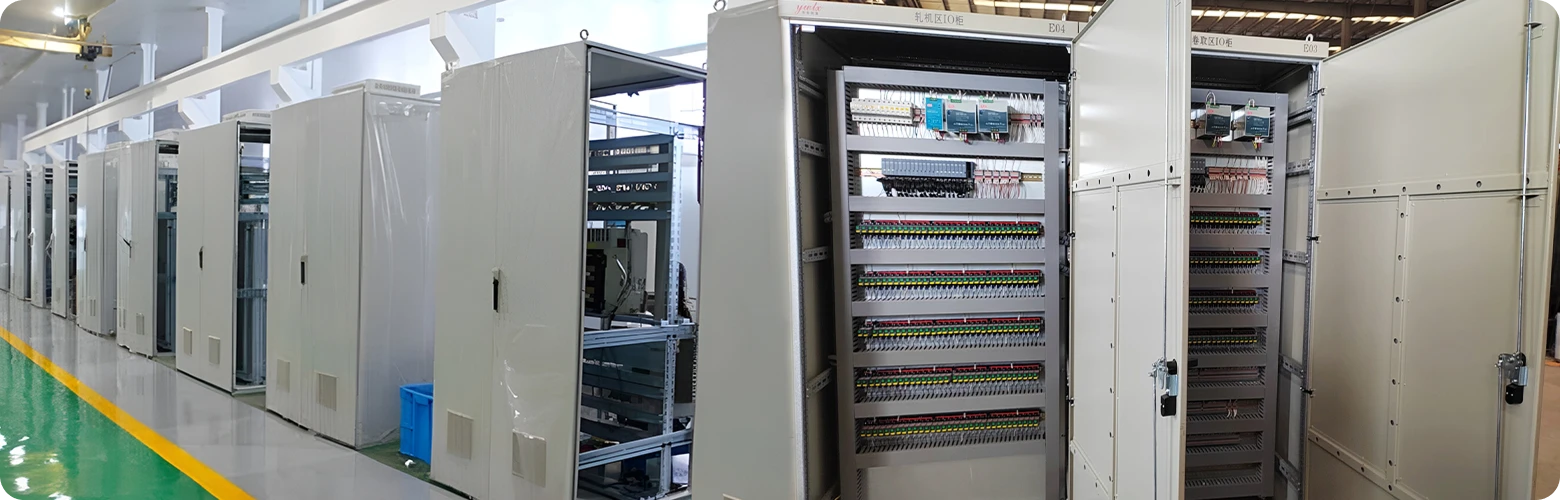
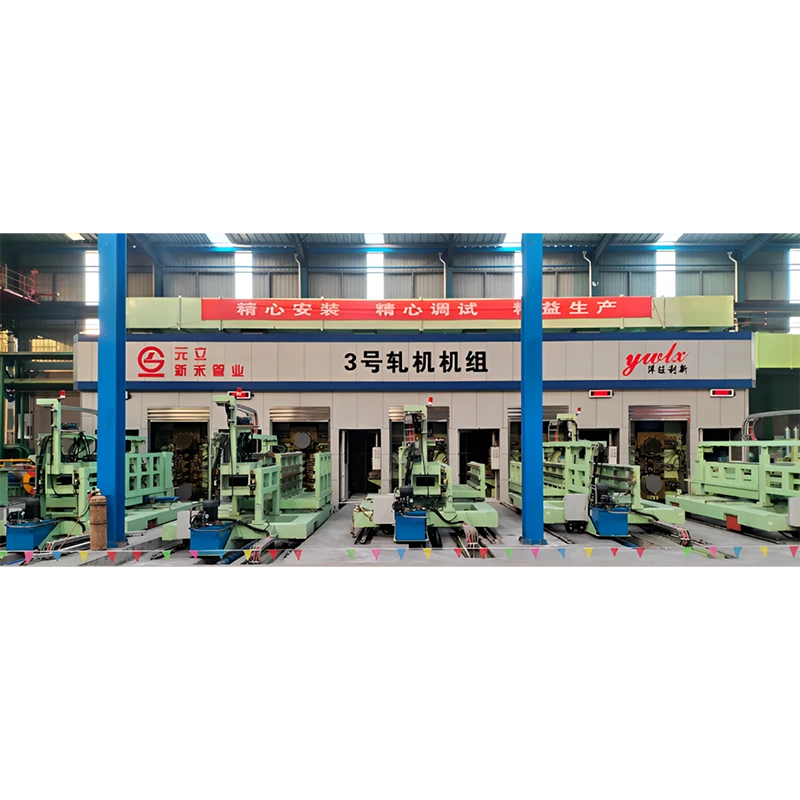
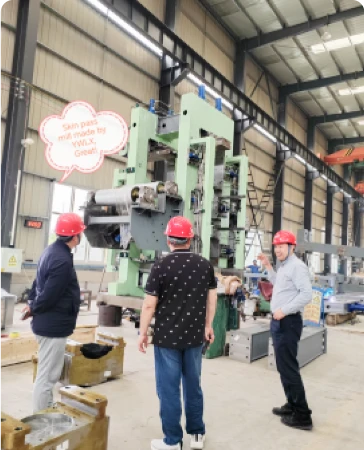
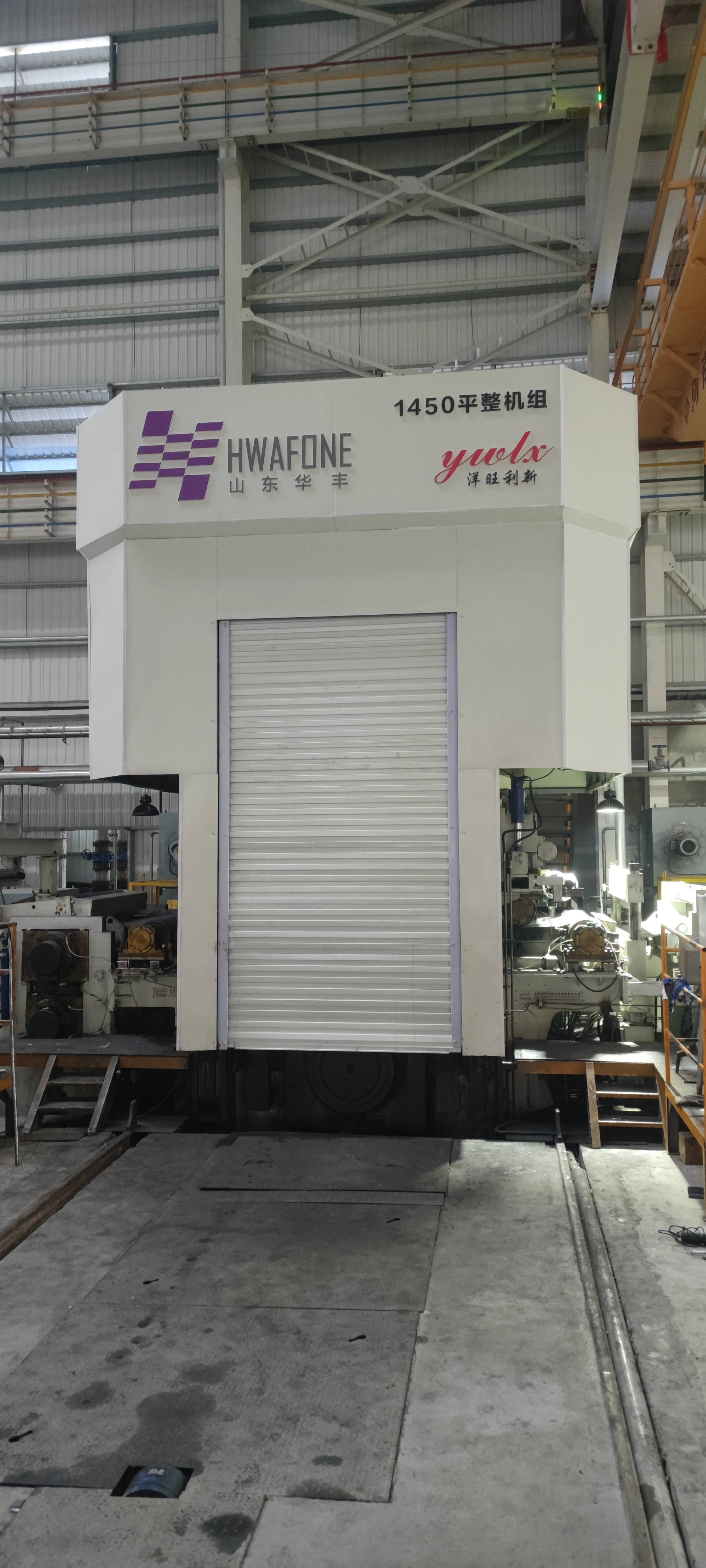

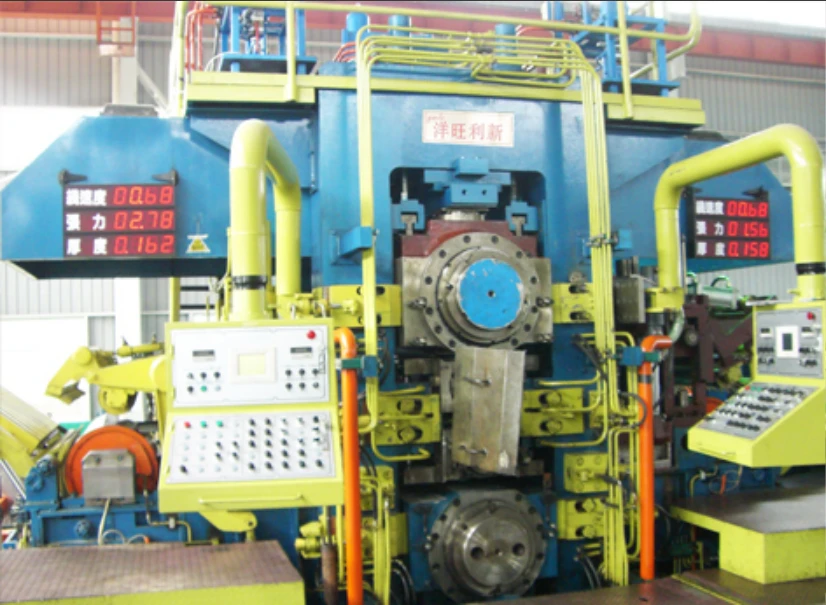
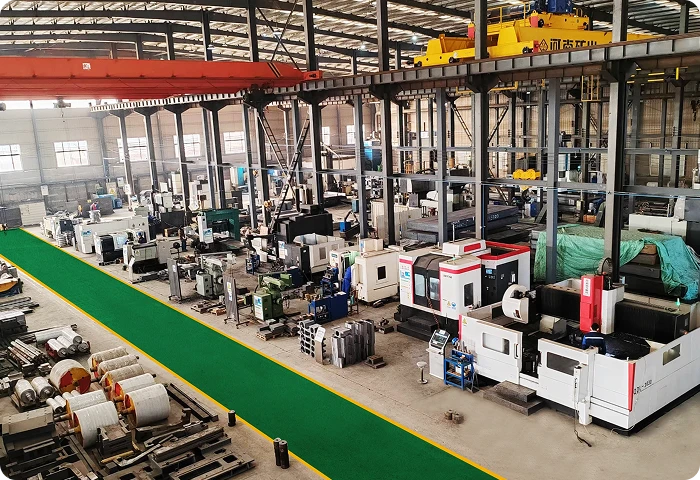
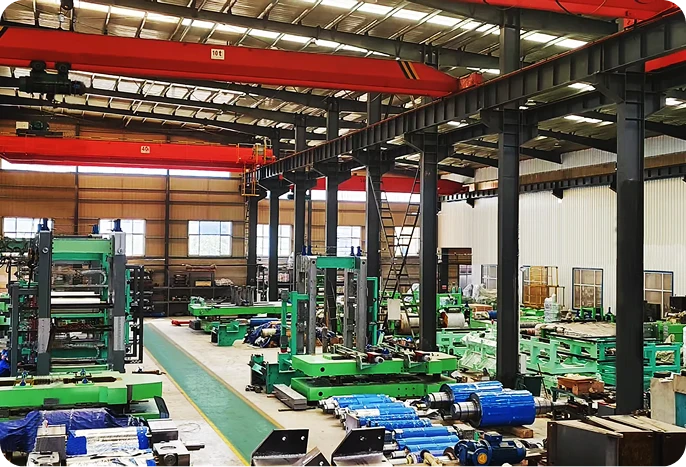
Yang Wang Li Xin operates a state-of-the-art facility over 66,000 square meters,and our manufacturing facility is fully equipped with high-tech machinery and high-capacity cranes. This enables us to handle large work pieces measuring 4.5m in width, 10m in length, and 1.5m in height, guaranteeing our capacity to produce 1800mm skin-pass mills and 1450mm rolling mills. The individual piece can weigh up to 100 tons.


Quality is fundamental to the enterprise survival. We have established a comprehensive and meticulous quality management system and have successfully obtained ISO14000 certification. Starting from the design source, it supervises the entire production cycle, including design, procurement, processing, assembly, in-factory testing, installation, and online commissioning. The workshop is equipped with measuring tools like vernier calipers, spectrometers, hardness testers, and ultrasonic flaw detectors. They are used to check materials and control tolerances to ensure the final equipment meets or exceeds requirements. All products have a unique code, This enables the easy identification and traceability of the equipment components and ensures full control of quality.


-
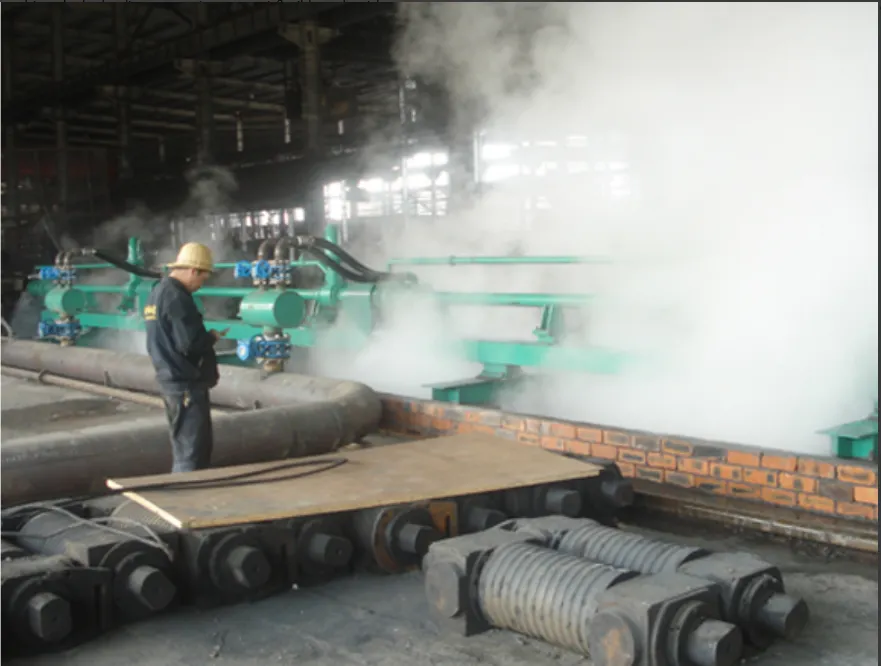 high rolling millHigh rolling mills, an essential component in the metal working process, present a unique blend of technology and expertise that influence the quality of rolled products. The specificity of these machines requires scrutiny from experienced industry professionals to maximize their performance potential. When evaluating high rolling mills, it's critical to delve into their design, operational effici
 -
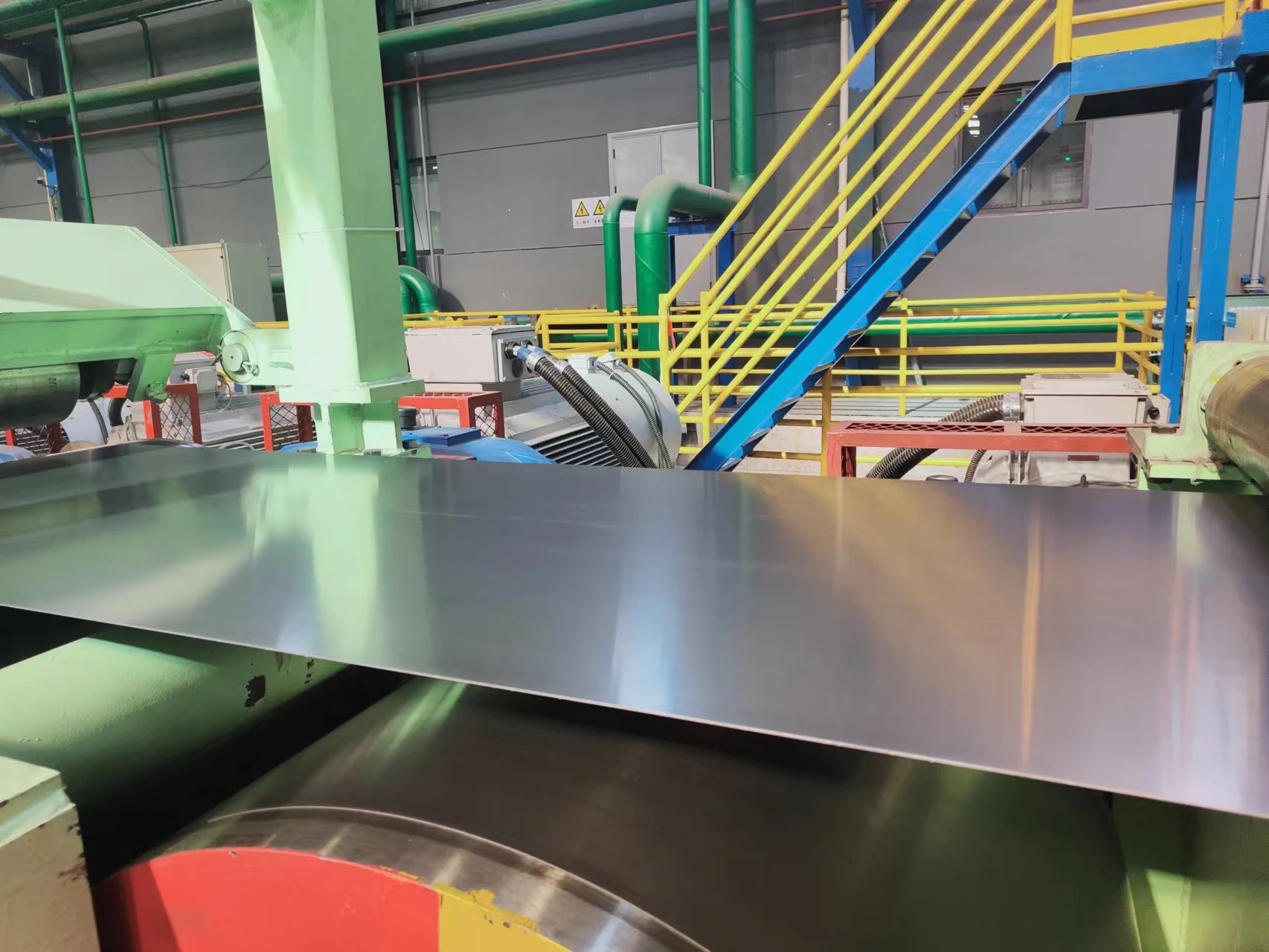 Cladding Rolling Mill-Beijing Yang Wang Li Xin Sci&Tech Co.,Ltd.|High-Quality Metal Bonding&Energy EfficiencyDiscover the cutting-edge Cladding Rolling Mill developed by Beijing Yang Wang Li Xin Sci&Tech Co.,Ltd. . This innovative solution combines advanced cold rolling technology with energy-efficient processes to deliver superior metal bonding capabilities. In this article, we explore the technical features, benefits, and applications of this groundbreaking equipment, supported by insights from the Nat
 -
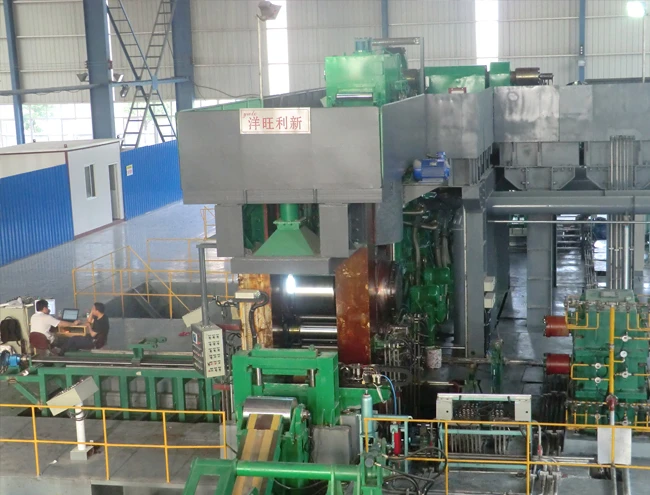 hot millExploring Hot Mills The Heart of Steel Production In the realm of metallurgy, the term hot mill refers to a critical component in steel manufacturing that plays a pivotal role in shaping and processing metals. Hot mills are essentially facilities where metals, primarily steel, are heated and then rolled or processed into various shapes and sizes. The process fundamentally transforms the raw materi


